
If you are a cat owner, you are likely used to some strange behaviors. You might see your cat zooming through the house at 3 in the morning or staring intensely at a blank wall. But one behavior that often leaves owners scratching their own heads is when their cat starts digging at the floor. Whether it is the hardwood in the kitchen, the tile in the bathroom, or the carpet in the hallway, you might find yourself asking: “Why is my cat scratching the floor?”
It can be frustrating to watch your cat ignore a beautiful, expensive scratching post while they frantically paw at the rug. You might worry that they are trying to tell you something or that they are going to ruin your flooring. The good news is that this behavior is usually completely normal. It is tied to their deep-rooted instincts as hunters and territorial animals.
In this guide, we are going to dive deep into the world of feline scratching. We will explain the mystery of floor scratching and, more importantly, we will help you understand the difference between “horizontal” and “vertical” scratchers. By the end of this 1,500-word deep dive, you will know exactly how to give your cat the right tools to be happy without sacrificing your home’s floors.
The Mystery of the Floor Scratch: Common Reasons
When a cat scratches the floor, they aren’t just trying to be annoying. There are several specific reasons why they choose the ground over a vertical post. Understanding these reasons is the first step in managing the behavior.
1. The “Burying” Instinct (Food and Litter)
The most common time you will see a cat scratching the floor is near their food bowl or their litter box. In the wild, cats are both predators and prey. This means they are very careful about leaving “clues” behind.
If your cat scratches the floor around their food bowl after eating, they are trying to “bury” the leftovers. They want to hide the scent so that other predators don’t find their location. Even though there is no dirt on your kitchen floor, their brain tells them they must go through the motions of digging and covering. Similarly, after using the litter box, a cat might scratch the floor outside the box to make sure every trace of their scent is hidden.
2. Scent Marking and Territory
Cats have tiny scent glands located in the pads of their paws. When they scratch a surface, they are leaving behind two types of messages. First, there is the visual mark—the actual scratches. Second, there is a chemical message—a pheromone that tells other cats, “I live here, and this is my spot.”
While many cats like to leave these messages at eye level (on walls or sofa arms), some prefer to leave them on the ground. This is especially true if you have multiple pets. A cat might scratch the floor in a doorway or a hallway to mark a “boundary line” in the house.
3. Stretching and Muscle Toning
Scratching is the way cats keep their bodies in peak condition. It is a full-body workout that allows them to stretch their toes, paws, and legs. When a cat scratches horizontally on the floor, they are using different muscle groups than they would if they were reaching up a post. It allows them to put their full weight into a “pushing” motion, which helps tone their shoulders and lower back.
Understanding Horizontal vs. Vertical Scratchers
This is the most important concept for any cat owner to understand. Just like humans have different preferences—some people like to sleep on their backs, while others like their sides—cats have different “scratching styles.”
If you have a cat that is constantly digging at the carpet, you likely have a horizontal scratcher. If you only provide them with vertical posts that stand up tall, they are going to keep using your floor because you haven’t given them a legal horizontal alternative.
The Vertical Scratcher
Most cat furniture is designed for vertical scratchers. These are cats that love to reach up high, sink their claws in, and pull down. In the wild, these cats would be scratching the trunks of trees.
- Signs your cat is a vertical scratcher: They target the arms of your sofa, the corners of your walls, or the legs of your wooden dining table.
- What they need: Tall, sturdy posts (at least 30 inches high) that allow them to get a full-body stretch.
The Horizontal Scratcher
Horizontal scratchers prefer to keep all four paws on the ground. They like to stretch forward and pull back, or “tread” the ground like they are kneading dough.
- Signs your cat is a horizontal scratcher: They target the area rugs, the carpet under the bed, or even the linoleum in the kitchen. This is exactly why your cat is scratching the floor—they are simply looking for a flat surface that offers resistance.
- What they need: Flat scratching pads made of cardboard or sisal that lay directly on the floor.
How to Stop the Floor Scratching (Gentle Redirection)
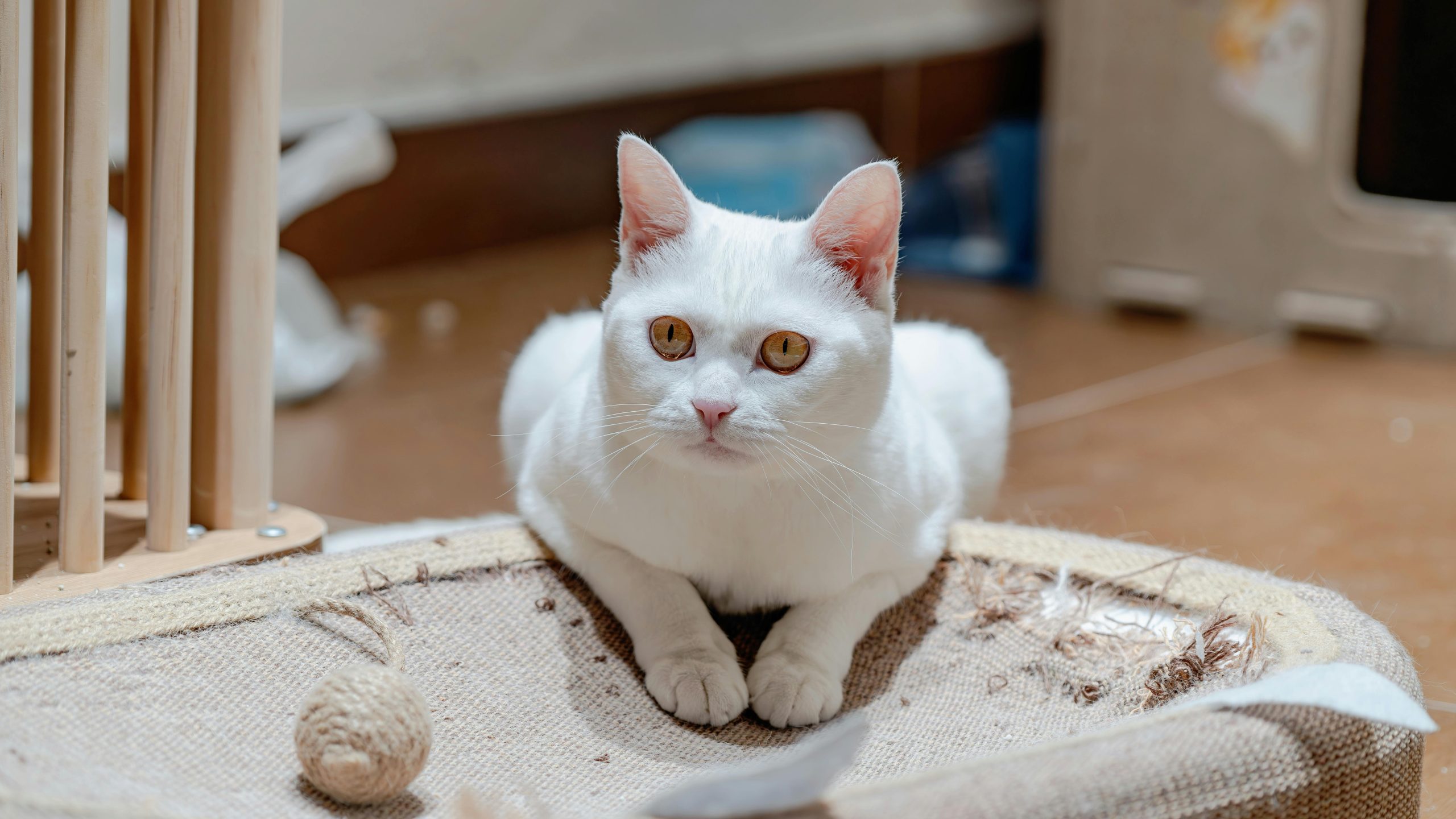
Now that you know why they are doing it and what their “style” is, how do you protect your floors? The goal is never to stop a cat from scratching—that is impossible and unkind. The goal is to redirect that energy to a place that doesn’t cost you your security deposit. Interestingly, the strategies used here are exactly the same as those you would use when learning how to stop cats from scratching furniture like your expensive sofa or chairs. It all comes down to offering a better choice.
Step 1: Buy the Right Equipment
If your cat is scratching the floor, go out and buy a flat, horizontal scratcher today. Cardboard “inclines” or simple flat pads are very inexpensive. Place them directly on top of the spots where your cat usually scratches the floor. If they like to scratch the carpet in front of the bedroom door, put a cardboard scratcher right there.
Step 2: Change the Texture of the Floor
Cats scratch the floor because the texture feels good. You can make it feel “bad” (but safe) by using double-sided tape or a plastic floor runner (the kind with the little nubs on the bottom). When the cat tries to scratch their usual spot and feels something sticky or prickly, they will look for an alternative. That is when they will find the nice cardboard pad you provided!
Step 3: Use Attractants
Make the legal scratching pad the most exciting thing in the room. You can rub dried catnip or silvervine into the cardboard. This encourages the cat to sniff, rub, and eventually scratch the pad. You can also use “play therapy” by dragging a feather toy across the pad. When the cat pounces, their claws will sink into the cardboard, and they will realize how much better it feels than the hardwood floor.
Special Cases: When Scratching the Floor is a Signal
Sometimes, why your cat is scratching the floor goes beyond simple instinct. It can occasionally be a way to communicate a specific need to you.
- “The Bowl is Empty”: Some cats will scratch the floor around their food bowl as a way to get your attention. If they know that “digging” makes a noise that brings you running, they will use it as a doorbell to tell you they want a snack.
- Boredom and Frustration: If a cat feels they aren’t getting enough mental stimulation, they might engage in “destructive” scratching. This is a way to burn off nervous energy. If your cat is scratching the floor and then running around like crazy (the “zoomies”), they likely need more interactive playtime with you.
- Stress: Changes in the home—like a new baby, a new pet, or even moving the furniture—can make a cat feel insecure. Since scratching is a way of “marking” territory to feel safe, a stressed cat might start scratching the floor in areas they never touched before.
The Importance of Nail Health
Regardless of whether your cat is a vertical or horizontal scratcher, their nail health plays a huge role in their behavior. If a cat’s nails are too long, they can become uncomfortable. They might scratch the floor more often because they are trying to “hook” the nail onto something to pull off the old, blunt outer layer.
Trimming is Key
Keeping your cat’s nails trimmed every 2 to 3 weeks will significantly reduce the damage they do to your floors. You don’t need to cut them short; you just need to take off the sharp “hook” at the very tip. If the nail is blunt, it is much less satisfying for the cat to scratch the carpet, making them more likely to use their dedicated scratching pads.
Check for Snags
Sometimes a cat scratches the floor because they actually got a nail snagged on a loop of carpet. This can be scary for a cat and might cause them to panic and pull, which leads to more scratching. Regularly checking your cat’s paws for broken or split nails can prevent these “accidental” scratching sessions.
Creating a Scratch-Friendly Home
A happy cat is a cat that has plenty of options. In a 1,500-word article, we can’t stress this enough: variety is the spice of life for a feline. To truly stop your cat from damaging your floors, you should create “Scratch Stations” throughout your home. A good station includes:
- A Vertical Post: For that high-reaching stretch.
- A Horizontal Pad: For the floor-scratching instinct.
- Different Textures: One might be sisal, another might be carpet, and another might be cardboard.
By giving your cat choices, you are ensuring that their needs are met no matter what mood they are in. You are moving from a “No” mindset (“No, don’t scratch the floor!”) to a “Yes” mindset (“Yes, scratch this instead!”).
Why Punishment Never Works
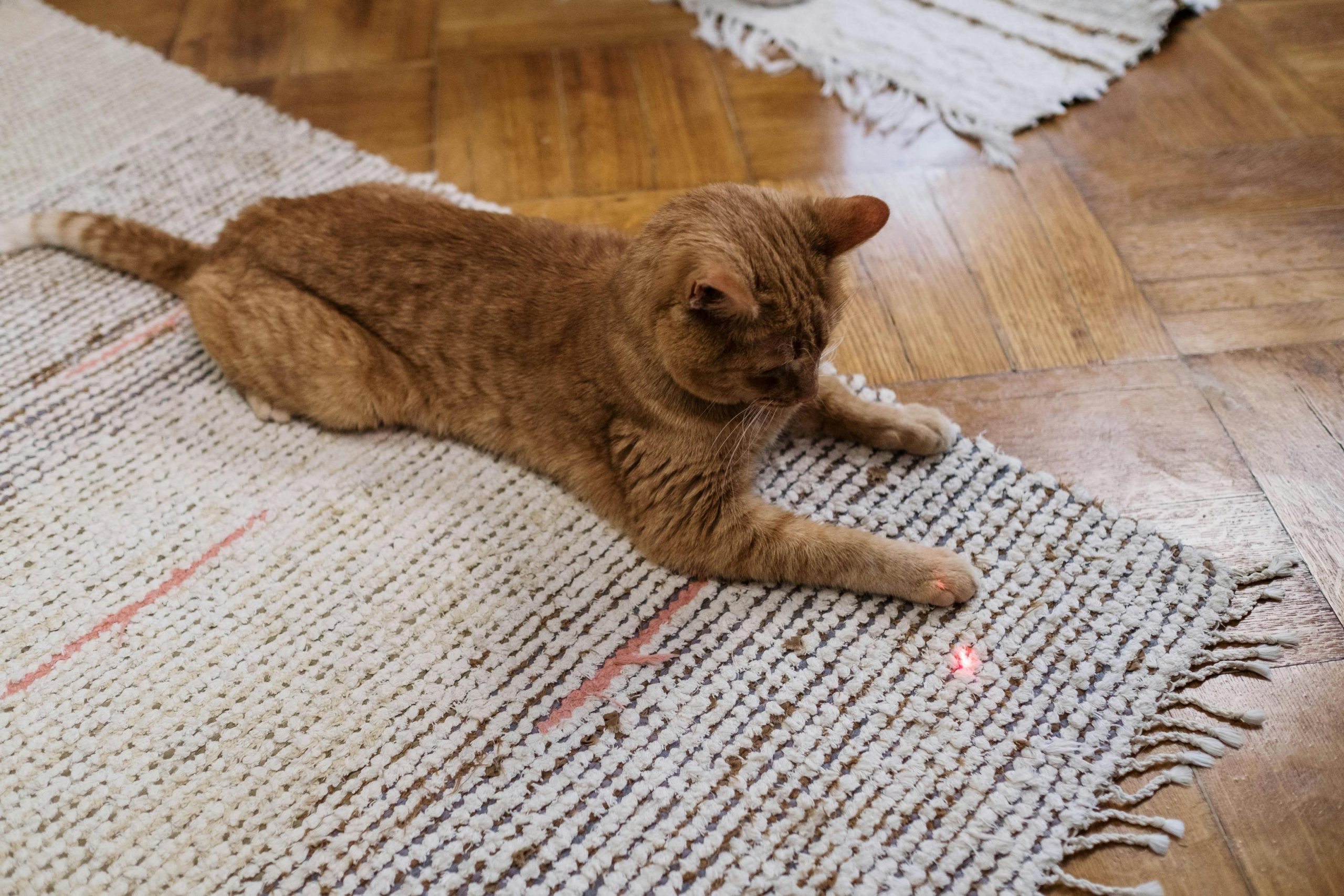
It is worth repeating that punishing a cat for scratching the floor will never solve the problem. If you spray them with water or yell, you are just teaching them to be afraid of you. They won’t connect the punishment to the scratching. They will just wait until you leave the room to go back to the carpet.
Training a cat is about redirection and rewards. When you see them use their horizontal scratching pad, give them a treat immediately. Praise them in a high, happy voice. Cats are very motivated by positive attention. If they learn that scratching the floor gets them “nothing,” but scratching the pad gets them “tuna and love,” they will make the smart choice every time.
Conclusion
So, why is my cat scratching the floor? As we have learned, they are usually just following their instincts to hide their scent, mark their territory, or get a good workout. By understanding the difference between horizontal and vertical scratching styles, you can stop fighting against your cat’s nature and start working with it.
Provide the right flat surfaces, place them strategically, and use positive reinforcement to build new habits. Your cat will feel more secure and satisfied in their environment, and your floors will stay in beautiful condition. It takes a little bit of patience and the right tools, but a scratch-free floor and a happy cat are well worth the effort.