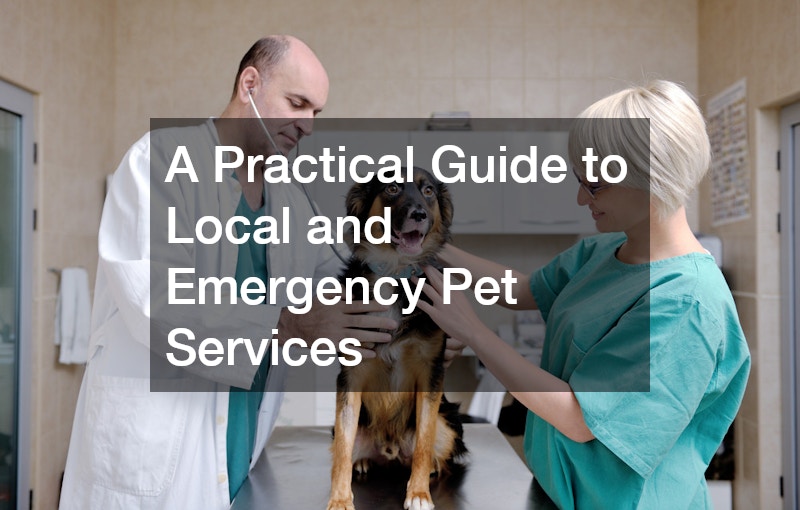

Caring for a pet involves far more than feeding, exercise, and affection. Responsible ownership also requires an understanding of the professional support systems that keep animals healthy throughout their lives. Veterinary care, preventive services, emergency resources, and specialized support all play distinct roles, and navigating them can be confusing without clear guidance. Many owners do not realize how interconnected these services are until they are forced to make quick decisions under stressful circumstances.
At some point, every pet owner must navigate a complex network of services designed to support health, safety, and quality of life. Routine appointments establish baselines and trust, while unexpected injuries or illnesses demand fast, informed action. Without preparation, owners may waste valuable time searching for help, struggle to compare options, or feel unsure about the right course of action. These moments can be emotionally overwhelming, especially when a beloved companion is in distress.
This guide is designed to help pet owners make informed, confident decisions before they are under pressure. By outlining what different services provide, when they are needed, and how they fit together, the goal is to replace uncertainty with clarity. Understanding how to evaluate providers, prepare in advance, and recognize when to escalate care empowers owners to act decisively.
By understanding the range of services available, how they work together, and what to look for in providers, you can reduce stress, avoid delays, and advocate more effectively for your pet’s well-being. Preparation allows you to focus on your pet’s needs rather than logistics, ensuring they receive timely, appropriate care at every stage of life.
Building a Reliable Local Pet Care Network

Finding trustworthy care close to home is the foundation of responsible pet ownership. While proximity matters, convenience alone should never be the deciding factor. A clinic that is easy to reach but difficult to communicate with, poorly organized, or limited in its capabilities may create more stress over time. A well-chosen primary veterinary relationship supports not only routine care but also referrals, coordination with specialists, and smoother transitions during urgent situations.
Searching for veterinarians near me is often the starting point, but narrowing down options requires more deliberate evaluation. Online reviews and recommendations can be helpful, but they should be combined with firsthand impressions. Visiting a clinic in person allows you to assess cleanliness, staff interactions, and overall workflow—details that matter greatly when emotions are high and decisions must be made quickly.
What to look for in a local provider:
-
Clear communication about treatment options, costs, and follow-up care, including written estimates and explanations you can understand
-
Willingness to answer questions without rushing appointments, which often reflects respect for both the pet and the owner
-
Transparent policies regarding after-hours care and referrals so you are not left searching for help during a crisis
-
Digital recordkeeping that allows easy sharing with specialists, emergency clinics, or boarding facilities when needed
Beyond clinical skills, interpersonal factors are equally important. A team that listens carefully, explains reasoning, and encourages dialogue makes it easier for owners to make informed decisions and follow treatment plans consistently.
Steps to take before an emergency happens:
-
Schedule a wellness visit to assess bedside manner, appointment flow, and how staff interact with animals.
-
Ask how medical records are shared with referral clinics and whether summaries are provided automatically.
-
Confirm how urgent cases are handled outside normal business hours and where you will be directed if the clinic is closed.
-
Save contact information in multiple places, including your phone and printed copies kept at home or in your car.
Taking these steps in advance reduces confusion when time is limited. You will know exactly who to call, where to go, and what information to bring.
A strong local relationship creates continuity of care. When something goes wrong, your provider already knows your pet’s history, temperament, and baseline health, which can significantly improve decision-making under pressure. That familiarity often leads to faster diagnoses, more tailored treatment plans, and greater confidence for owners during difficult moments.
Preventive Care Services That Reduce Emergencies
Many emergencies stem from problems that could have been detected earlier through routine preventive care. While vaccines and wellness exams are essential, additional services play an important role in identifying issues before they escalate.
A professional dog grooming service often serves as an early warning system. Groomers regularly handle pets and may notice changes that owners miss, such as skin growths, ear infections, or sensitivity in certain areas.
Similarly, oral health is frequently overlooked. An animal dentist focuses on more than just cleaning teeth—they help prevent pain, infection, and systemic disease linked to untreated dental problems.
Preventive benefits owners should not ignore:
-
Grooming appointments can reveal lumps, parasites, or mobility issues.
-
Dental evaluations reduce the risk of heart, kidney, and liver complications.
-
Early detection lowers long-term treatment costs.
-
Pets experience less pain and stress when problems are addressed promptly
How to integrate preventive services effectively:
-
Share findings from groomers with your veterinarian.
-
Schedule dental assessments based on breed, age, and risk factors
-
Follow at-home care recommendations between professional visits
Preventive care is not an added expense—it is an investment that protects your pet’s health and minimizes the likelihood of sudden, costly emergencies.
Daily Care Options for Working and Traveling Pet Owners
Modern pet ownership often requires balancing professional obligations with responsible care. For many households, structured daytime care fills the gap when pets cannot be supervised at home.
Doggie day care services vary widely in quality, structure, and safety standards. Choosing the right facility requires more than a quick tour or a convenient location.
Key factors to evaluate before enrolling:
-
Staff training in animal behavior and emergency response
-
Clear vaccination and health screening requirements
-
Group size limits and separation by size or temperament
-
Secure facilities with controlled entry and exit points
Questions every owner should ask:
-
How are conflicts or injuries handled?
-
Is there a veterinarian on call during operating hours?
-
What protocols exist for illness or sudden behavioral changes?
-
How are owners notified if something goes wrong?
When properly managed, day care can provide enrichment, socialization, and routine. When poorly managed, it can expose pets to stress or preventable risks. Due diligence is essential.
Knowing When to Seek Immediate Medical Attention

One of the most difficult responsibilities of pet ownership is recognizing when a situation cannot wait. Animals often hide pain or illness, and subtle changes can escalate quickly. Hesitation, second-guessing, or hoping symptoms will resolve on their own can allow a manageable issue to become a life-threatening emergency. Trusting your instincts and acting promptly is often safer than delaying care.
Pet urgent care clinics are designed for situations that require prompt attention but may not need full overnight hospitalization. These facilities typically handle issues such as minor injuries, infections, or sudden illness that cannot wait for a routine appointment. An emergency vet, on the other hand, is equipped for critical, life-threatening conditions at any hour and has the staff, equipment, and monitoring capabilities needed for intensive treatment. Knowing which option to choose can save valuable time and ensure your pet receives the appropriate level of care.
Signs that immediate evaluation is necessary:
-
Difficulty breathing or sudden collapse, which may indicate heart, lung, or airway problems
-
Persistent vomiting or diarrhea, especially with blood, as this can lead to rapid dehydration or signal internal injury
-
Seizures or loss of consciousness, even if they are brief or appear to resolve on their own
-
Severe pain, trauma, or uncontrolled bleeding, all of which require rapid medical intervention
When in doubt, it is always better to err on the side of caution. Calling ahead allows the clinic to prepare for your arrival and advise you on the next steps.
How to prepare before you arrive:
-
Call ahead if possible to describe symptoms and receive guidance on immediate actions.
-
Bring any medications your pet is currently taking, including dosages and schedules.
-
Be ready to provide a brief medical history, such as recent procedures or chronic conditions.
-
Secure pets safely for transport using carriers, leashes, or blankets to prevent further injury.
Understanding the difference between levels of care helps owners make faster, more appropriate decisions during stressful moments. Preparation and awareness reduce delays, improve communication with medical staff, and ultimately increase the chances of a positive outcome for your pet.
Understanding Emergency Medical Infrastructure
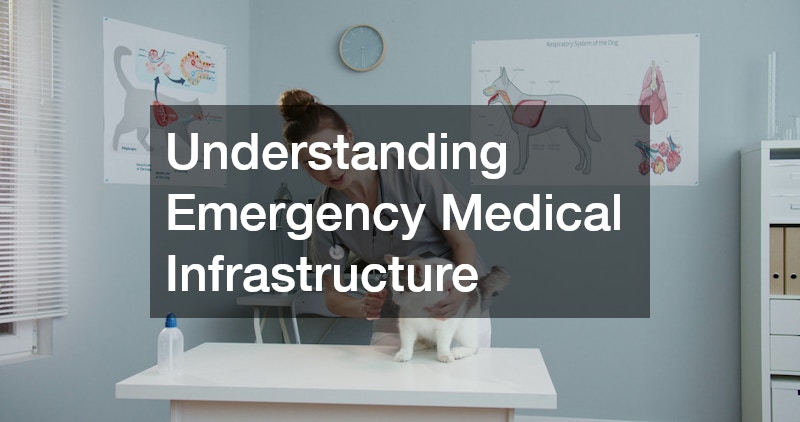
When emergencies escalate beyond basic intervention, advanced facilities and specialized staff become critical. Not all clinics are equipped to handle complex or prolonged emergencies.
Animal hospitals typically offer 24/7 care, advanced diagnostics, surgical suites, and intensive monitoring. They are staffed by emergency veterinarians trained to stabilize critical patients and coordinate care across specialties.
What sets advanced facilities apart:
-
On-site imaging, laboratories, and surgical teams
-
Continuous monitoring for unstable patients
-
Access to specialists such as neurologists or surgeons
-
Established protocols for rapid decision-making
What owners should expect during emergency hospitalization:
-
Initial triage to prioritize life-threatening conditions
-
Frequent updates as diagnostics and treatments progress
-
Consent discussions regarding costs and treatment plans
-
Coordination with your primary veterinarian after discharge
Understanding how emergency facilities operate helps owners navigate emotionally charged situations with greater clarity and confidence.
Recovery, Rehabilitation, and Long-Term Support
Surviving an illness or injury is often only the beginning. Many pets require structured rehabilitation to regain strength, mobility, and quality of life.
Pet physical therapy is increasingly recommended following orthopedic surgery, neurological events, or chronic mobility issues. When properly administered, it can significantly shorten recovery time and reduce long-term pain.
Common rehabilitation techniques include:
-
Controlled exercise programs
-
Hydrotherapy to reduce joint strain.
-
Manual therapy for muscle and joint function
-
Home exercise plans tailored to individual pets
How owners can support successful recovery:
-
Follow prescribed activity restrictions carefully.
-
Attend scheduled re-evaluations consistently.
-
Monitor progress and report setbacks promptly.
-
Maintain a safe home environment during recovery.
Rehabilitation requires patience and commitment, but it often allows pets to return to active, comfortable lives that might otherwise not be possible.
Preparing for End-of-Life Decisions With Compassion
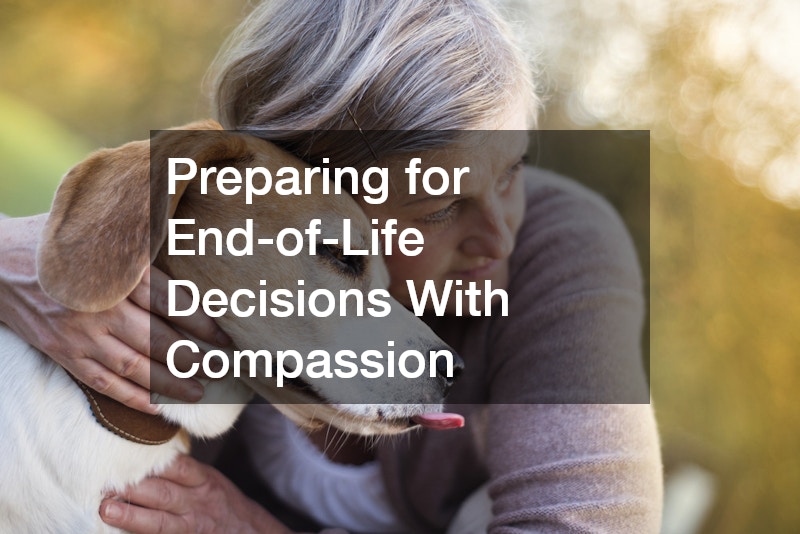
One of the most emotionally challenging aspects of pet ownership is recognizing when treatment is no longer improving quality of life. Planning allows families to make thoughtful, compassionate decisions rather than rushed ones.
Pet euthanasia is not a failure—it is sometimes the final act of care when pain, decline, or suffering can no longer be managed.
Important considerations when planning:
-
Honest assessment of daily comfort and enjoyment
-
Understanding the process and what to expect
-
Discussing timing and setting with your veterinarian
-
Preparing emotionally and logistically as a family
Ways to support yourself and others:
-
Ask questions until you feel fully informed.
-
Allow space for grief before and after the decision.
-
Memorialize your pet in a way that feels meaningful.
-
Seek support if the loss feels overwhelming.
Planning ensures that decisions are guided by compassion rather than crisis.
Caring for a pet means preparing for both the expected and the unexpected. Routine needs like wellness visits, daily care, and maintenance services are far easier to manage when owners understand how the broader care system works. When emergencies arise, that same knowledge allows for quicker decisions, clearer communication with professionals, and fewer delays at critical moments. Familiarity with available services helps replace panic with purpose, even when emotions are high.
Building strong relationships early is a key part of that preparedness. When providers already know your pet’s history, personality, and baseline health, they can offer more accurate guidance and faster intervention. Preventive care supports this foundation by catching issues early, reducing discomfort, and often avoiding crises altogether. Planning—whether that means knowing where to go after hours or discussing difficult future decisions before they are urgent—gives pet owners greater control in situations that might otherwise feel overwhelming.
Ultimately, thoughtful preparation benefits both pets and the people who love them. It allows animals to receive timely, appropriate care and helps owners feel confident that they are making informed, compassionate choices. Taking the time to learn, plan, and prepare is not just practical—it is a reflection of the responsibility and respect owed to the animals who depend on us every day.