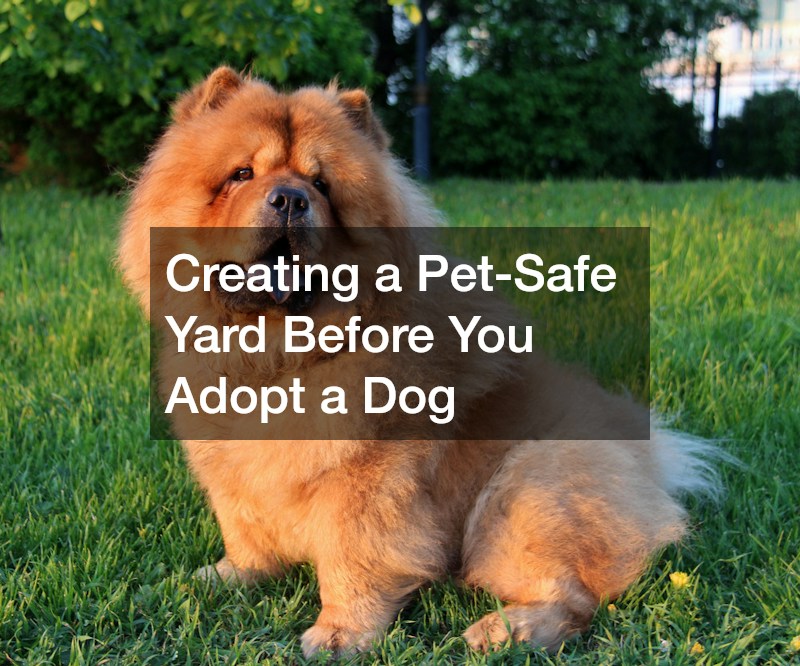

Creating a pet-safe yard is an essential step for anyone planning to adopt a dog. Ensuring that your outdoor space is secure and free from potential hazards not only keeps your future furry friend safe but also gives you peace of mind. Whether you’re living in a suburban neighborhood or a more rural setting, it’s important to evaluate the current condition of your yard and make necessary modifications to accommodate a pet.
Pets, like family members, deserve a nurturing environment where they can play, explore, and relax. This involves careful planning and consideration of various elements in your yard. From gates and fences to lawns and trees, everything needs to be up to safety standards to prevent accidents or escapes. Understanding these complexities requires attention to detail and a willingness to make the necessary investments.
Adopting a dog also means understanding their natural behaviors and how your yard can encourage safe exploration. Dogs are naturally curious and often driven by smells and sounds, which could lead them into trouble if your yard isn’t adequately prepared. The balance between providing an exciting outdoor space and maintaining safety is critical in designing a pet-friendly yard.
Before bringing a dog into your home, you must assume the role of a landscape designer, architect, and security specialist all at once. Achieving this involves studying your yard’s layout and identifying potential escape routes or harmful areas. It’s crucial to also consider how various seasons and weather conditions might impact your yard and, subsequently, your pet.
Another consideration is the type of breed you plan to adopt, as size and energy levels can influence the type of adjustments you need to make. Smaller, less energetic dogs might require fewer changes compared to larger, more active ones. Understanding these nuances helps in planning a yard that is enjoyable for your pet while maintaining practicality.
Budget is an essential factor in creating a pet-safe yard. It can be as simple or complex as you make it, with options ranging from high-tech solutions to simple do-it-yourself projects. Prioritizing the aspects of your yard that need immediate attention over less critical ones can make the process less overwhelming.
Safety should never be an afterthought but rather a foundational aspect of owning a pet. Ensuring your yard is safe and secure might involve considerable time and resources, but the well-being of your future furry friend is worth it. A comprehensive strategy with a focus on proactive measures can prevent accidents and enhance enjoyment for both you and your pet.
Lastly, remember that keeping a pet-safe yard is an ongoing effort. Continuous monitoring and upkeep will be required as your dog grows and as the external environment changes. This ensures long-term safety and happiness for your new family member, allowing them to enjoy every part of your home safely.
Designing a Stable Gate

When designing a stable gate, functionality and durability should be at the forefront of your plan. A well-designed gate ensures that your dog remains within the safety of your yard while deterring unwanted entry from external sources. This is especially vital in neighborhoods with high wildlife activity or close proximity to busy roads.
Focusing on gate design, consider materials that complement both the aesthetics of your home and provide strong barriers. Options such as steel or heavy-duty wood are recommended for their resilience against chewing, scratching, and general wear and tear. Additionally, opting for a gate with a secure locking mechanism can prevent clever pets from figuring out how to escape.
The height of your gate must also align with the breed and size of your future dog. While small dogs might require a standard gate height, larger breeds could necessitate a much taller structure to prevent jumping. It’s also a good idea to consider adding a secondary latch or implement a double gate system for added security.
Installing a Motorized Gate
Upgrading to a motorized gate can significantly enhance the safety and convenience of your pet-safe yard. Motorized residential gate installations provide ease of access for homeowners while maintaining security and containment for your pet. This technology-driven approach to gate management is ideal for those who prefer modern solutions.
With motorized gates, you can rely on remote controls or smartphone apps to open and close the gate without physical exertion. This feature can be particularly beneficial during inclement weather or when you’re carrying groceries alongside a leash. The automation also drastically reduces the risk of human error, such as forgetting to secure the gate.
Installation of a motorized gate requires professional expertise to ensure it’s set up correctly and requires minimal maintenance. Consulting with skilled contractors can provide options tailored to your specific yard setup and pet requirements, making the transition smoother and guaranteeing long-lasting usability.
Installing an Iron Fence
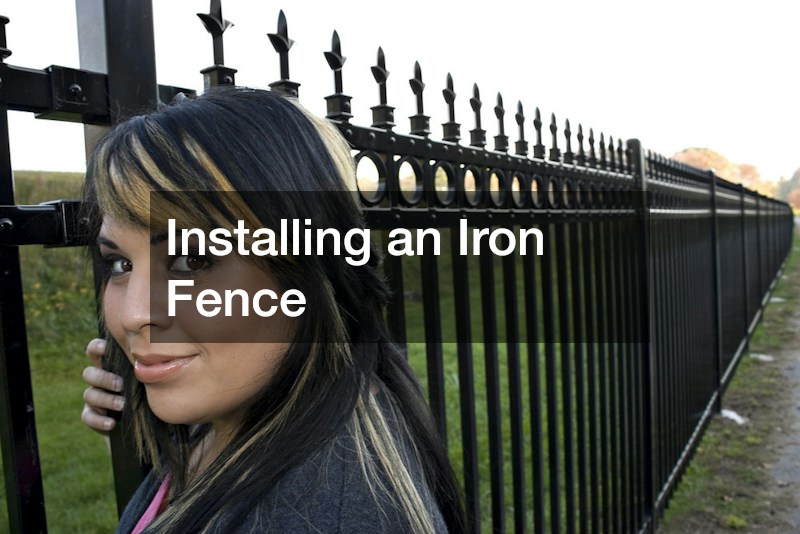
Iron fences offer a robust solution for securing your yard, providing both strength and aesthetic appeal. With proper installation, iron fences become a formidable barrier that deters intruders and restrains even the most determined escape artist. Their durability ensures that over time, they maintain their purpose and effectiveness.
The choice of iron fences is often preferred for those living in areas prone to severe weather since they can withstand strong winds and are less likely to sustain damage compared to wooden alternatives. Additionally, iron fences can be powder-coated to resist rust while allowing homeowners to match the fence color to their home’s exterior.
Iron fences also add an additional layer of fence maintenance considerations. Regular checks for rust or loose bolts are crucial for ensuring the fence remains effective in keeping your dog within the confines of your yard. Investing in quality materials from the start can reduce the likelihood of frequent repairs.
Maintaining Your Fence
Fence maintenance is an essential aspect of ensuring your pet-safe yard remains secure. Regular inspections and upkeep prevent small issues from becoming major problems that could compromise your fence’s functionality. Establishing a routine that includes cleaning, painting, and repairing can help preserve the lifespan of your fence.
During fence maintenance, pay careful attention to the areas near the ground where dogs might try to dig under. Reinforcing these areas with additional barriers such as chicken wire can prevent your dog from finding secret escape spots. Checking for broken or loose slats is key, as they can also pose a threat to determined pets.
Additionally, maintaining a detailed log of maintenance activities or repairs helps pinpoint repeat issues or areas that require extra attention. Proactively dealing with potential weak spots ensures your fence remains a reliable safeguard against escapes and keeps your yard a pet-friendly haven.
Caring for Your Lawn
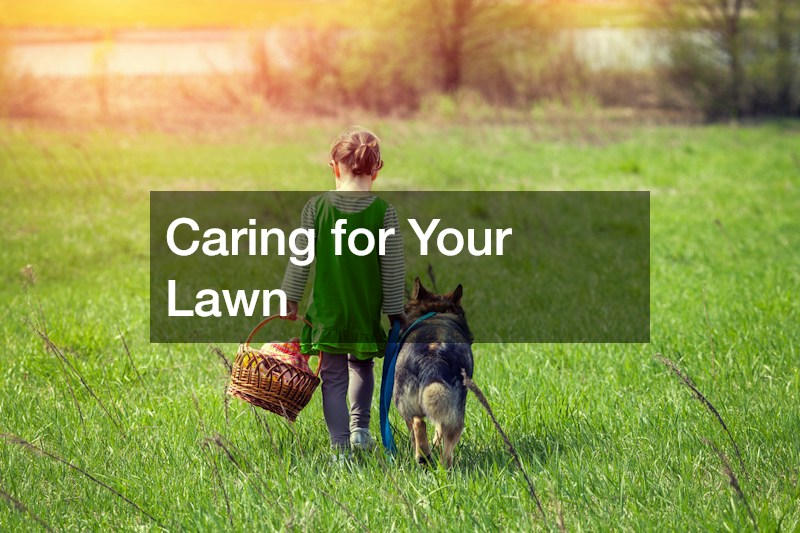
A well-maintained lawn contributes significantly to both the safety and enjoyment of your pet-friendly yard. Proper lawn care promotes a healthy environment free from pests and hazardous weeds that could harm your dog. Utilizing local lawn care services can be beneficial in managing your lawn’s specific needs and seasonal challenges effectively.
Local lawn care services often have the expertise and resources to handle everything from aeration to pest control, which keeps your grass lush, green, and pet-safe. This allows you to focus on interactions with your dog rather than spending hours tending to yard work. Moreover, a healthy lawn acts as a natural deterrent to invasive pests that might bother your pet.
Creating an allergy-free lawn should also be a priority. Identifying and removing plants or weeds that could trigger allergies in your dog is essential. Consulting with experts ensures your lawn remains a safe space for your pet to run and play without the itchiness or irritation associated with common allergens.
Removing Wildlife From Your Yard
Preventing wildlife encounters in your yard is important for the safety of your dog. Wildlife removal specialists can provide the expertise needed to assess potential threats and implement solutions to keep uninvited guests at bay. Regular inspections and monitoring can ensure that your yard remains a pet-safe zone.
Wildlife removal specialists utilize humane practices to deter or relocate animals such as raccoons, rabbits, or snakes that could pose a danger to your pet. Their services often include reinforcing entry points and using deterrents to prevent animals from considering your yard as a habitat. This proactive approach minimizes encounters that could lead to injury or distress for your pet.
By combining professional services with effective yard management like keeping trash secured and pet food inside, you reduce the appeal of your space to wildlife. Regularly checking areas such as under decks or sheds for signs of wildlife activity ensures your dog remains the primary occupant of your yard.
Designing a Pet-Friendly Landscape
A pet-friendly landscape should accommodate your dog’s natural instincts while ensuring their safety and well-being. Employing a local landscaping service can turn your yard into a paradise that fulfills these requirements while catering to your aesthetic preferences. Landscapers can help create tactile zones for different activities, such as play, rest, and exploration.
Consider creating designated pathways using soft surfaces like grass or mulch to guide your pet through safe areas. This minimizes the risk of worn paths that could lead to exposure to harmful materials or keep them away from delicate garden features you wish to preserve. Landscaping designs can also incorporate pet-friendly plants that are non-toxic and safe for dogs to nibble.
Water features, like pet-specific fountains, are great additions to a pet-friendly landscape. They provide a constant fresh water source and add an engaging element to the yard that attracts your dog to designated areas rather than dangerous zones. Local landscaping services can customize these features to fit seamlessly into your existing yard layout.
Trimming Your Trees

Regular tree maintenance is crucial for a pet-safe yard. Overhanging branches or unstable trees can pose risks to your dog during inclement weather. Partnering with a tree trimming business ensures your trees remain healthy and safe, reducing the possibility of accidents resulting from falling branches.
A tree trimming business can also help identify trees that might obstruct your surveillance of the yard, allowing you to adjust visibility accordingly. Keeping an open sightline can make yard supervision easier while maintaining the ambiance of a wooded or green space.
Additionally, scheduled trimming of tree branches can prevent foliage from attracting wildlife or harboring pests like ticks or fleas that could transfer to your pet. By routinely tending to the trees, you maintain an environment conducive to safe play and relaxation for your dog.
Grinding Stumps
Stump grinding is an effective method of removing leftover tree stumps that might pose hazards to your pet. Uneven ground could lead to trips or falls, so using a stump grinder helps maintain a clean, safe yard surface. Leaving no trace of previous tree trunks creates a more open and navigable yard for your pet.
Working with professional services and their stump grinder equipment ensures that removal is handled efficiently and safely, preventing the potential for accidents or damage to surrounding grass and plants. Grinding stumps also removes potential hiding spots for pests or wildlife, further securing your pet-friendly space.
After stump grinding, consider using the freshly cleared space to create a new play area for your pet. Incorporating pet toys, small agility equipment, or simply leaving an open space can enrich your dog’s physical and mental activities, utilizing what was once unusable space effectively.
Removing Unsafe Trees
Dealing with unsafe trees is another integral part of maintaining a pet-safe yard. Unhealthy or structurally compromised trees can become hazardous, particularly during storms or high winds. Emergency tree removal services are essential when swift action is necessary to prevent imminent danger to your pet and property.
Assessing the health of your trees with an arborist can preemptively catch issues before they escalate. Collaborating with emergency tree removal experts ensures that dead or leaning trees are promptly addressed, preventing harm to your pet from falling limbs.
An added benefit of removing unsafe trees is the opportunity to redesign the area for purpose-driven landscaping. Replacing removed trees with more suitable plant choices that complement your pet-friendly yard can enhance both safety and beauty, crafting an environment that fosters safety and joy for your pet.
Creating a Pet-Safe Yard
In conclusion, creating a pet-safe yard before adopting a dog involves a multifaceted approach to landscaping, fencing, and yard maintenance. A careful balance between aesthetics and functionality ensures that each element of your yard works harmoniously to provide a safe haven for your pet while maintaining the visual appeal of your property.
Each consideration, from gate and fence design to proper tree trimming and lawn care, is aimed at preventing hazards and enhancing the quality of outdoor life for your dog. The choices you make in terms of materials and services employed have long-lasting impacts on the efficacy and resilience of your pet-friendly modifications.
While the initial steps may seem daunting, involving professionals, such as wildlife removal specialists or local landscaping services, alleviates much of the burden and ensures expertise is applied precisely where needed. Their insights can translate into a more effective design that caters specifically to your pet’s safety and the homeowner’s peace of mind.
A noteworthy aspect of maintaining a pet-safe yard is the ongoing commitment to adjustments and care. As your dog grows and the environment changes, continuous evaluation and timely interventions help preserve a sanctuary that is inviting and secure. Regular updates to past strategies also allow the yard to evolve with your pet’s needs.
Overall, the investment in creating a pet-safe yard before bringing your new dog home is a vital one, providing reassurance to you as a pet owner and a delightful playground for your dog. An integrated, comprehensive plan that prioritizes safety today sets the foundation for a harmonious, joyful relationship between your dog and their new environment tomorrow.
Approaching the task with diligence and a willingness to incorporate modern innovations, such as motorized gates or advanced landscaping techniques, ensures that you stay ahead of potential challenges. This foresight allows both you and your pet to enjoy the outdoors confidently and without unnecessary concerns.
Remember, a pet-safe yard is more than just a project — it embodies the spirit of responsible pet ownership, reflecting the love and care with which you welcome your new family member. As you move forward in your journey with a new furry companion, embrace the joy that comes with watching them thrive in a space designed with them at heart.