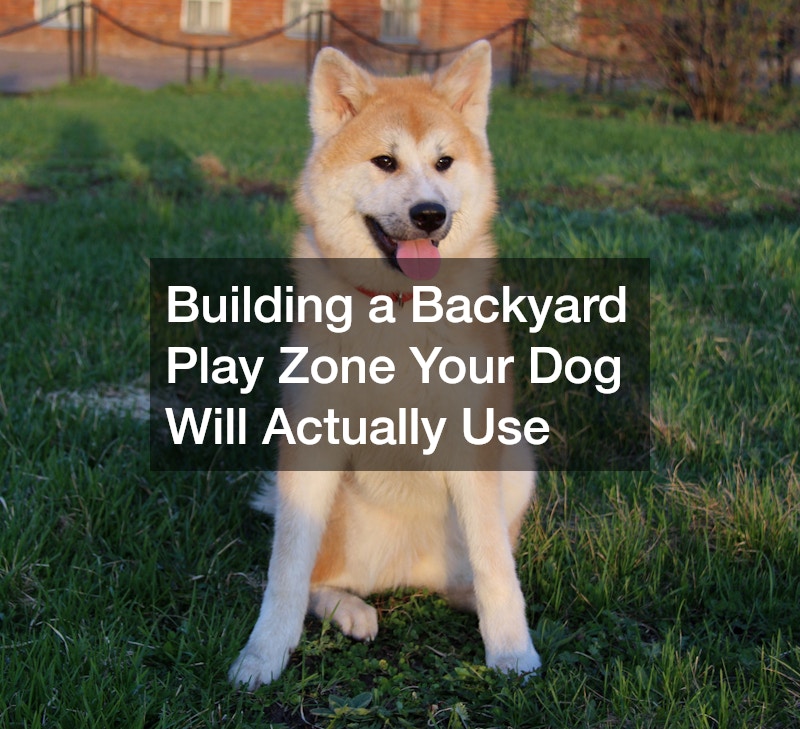

If your dog spends more time staring at the back door than actually playing in the yard, the space probably isn’t set up to hold their attention. Dogs need texture, purpose, and structure outdoors, not just open grass. Building a backyard play zone that gets used every day takes some planning around safety, layout, and durability. This guide walks through the practical steps for creating a space your dog will genuinely love spending time in.
Assessing Your Yard Before You Build Anything
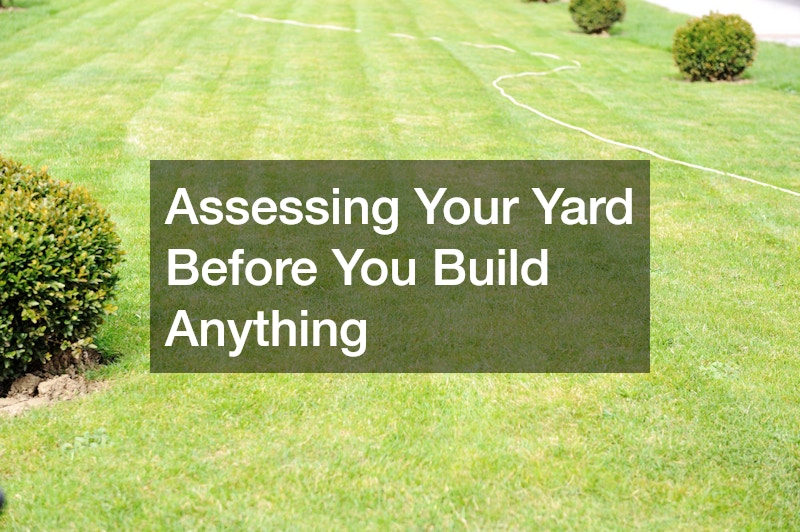
Before buying a single toy or bag of mulch, walk your yard and look at it through your dog’s eyes. Note the sunny spots, the shady corners, the drainage patterns after rain, and any areas where your dog already digs or lingers. This initial assessment tells you where zones for running, resting, and digging naturally belong.
Pay attention to slope and soil type too, since these affect what you can build later. A yard that pools water after every storm will need grading work before a play surface goes in. Taking measurements and photos now saves time when you start talking to contractors about specific projects.
- Mark sunny areas for warm-weather lounging spots
- Identify shaded zones for hot summer days
- Watch how water drains during and after rainfall
- Note existing dig spots or worn grass patches
- Measure the total usable square footage
Securing the Perimeter With the Right Boundary
A play zone only works if your dog can’t wander out of it, which makes the boundary the single most important structural decision you’ll make. Homeowners often assume any fence will do, but the right choice depends on your dog’s size, energy level, and tendency to dig or jump. A determined 60-pound Lab mix and a laid-back senior Chihuahua have completely different containment needs, and the fence that works for one may fail spectacularly for the other.
Start by being honest about your dog’s habits. Diggers need a barrier that extends underground or an L-footer buried at the base, jumpers need height of at least five to six feet, and anxious or reactive dogs often do better with solid panels that block sightlines to the street rather than open styles like chain-link.
Comparing fence materials side by side helps you match durability and cost to your dog’s actual behavior rather than guessing. Wood offers a good middle ground of privacy and strength but requires regular maintenance to prevent rot or warping. Vinyl resists weather and chewing well but can crack under sustained impact from larger, high-energy breeds. Chain-link is budget-friendly and durable, though it offers no privacy and can be climbed by agile dogs. Welded wire or metal picket options strike a balance for owners who want visibility without sacrificing strength.
Finally, factor in gate placement and latch style. A secure boundary is only as good as its weakest entry point, so choose spring-loaded or childproof latches that your dog can’t nudge open with a paw or nose.
Wood offers a classic look but requires more upkeep, including staining or sealing every couple of years to prevent rotting and splintering. Vinyl and aluminum resist rot and warping in wet climates, making them a smart choice if you live somewhere with heavy rain or snow, though they typically cost more upfront. Chain link is budget-friendly and durable but offers little privacy and can be climbed by determined dogs, so it works best for calmer breeds or yards with existing landscaping to soften the look.
Height matters just as much as material. A 4-foot fence might contain a beagle but won’t stop a border collie or lab mix with a strong jumping instinct, so aim for at least 5-6 feet for athletic breeds. Also check for gaps at the bottom — small dogs and determined diggers can squeeze under fences with more than a couple inches of clearance, so consider adding a buried barrier or gravel trench along the base.
Reaching out to a few fence companies for quotes lets you compare pricing, warranty terms, and installation timelines before committing. Ask specifically about pet-proofing features, since some fence companies offer add-ons like anti-dig skirting or reinforced gate latches that aren’t part of a standard installation. It’s also worth asking how they handle uneven terrain, as sloped yards often need stepped panels or grading to eliminate gaps a dog could exploit.
- Wood: attractive and customizable, but needs staining or sealing every 1-2 years to prevent rot and splintering
- Vinyl: low maintenance, resists moisture damage, but can crack in extreme cold and costs more upfront
- Chain link: affordable and durable, but offers minimal privacy and some dogs can climb or dig under it
- Aluminum or steel: strong option for larger or jumping breeds, look for at least 4-5 feet in height with no horizontal rails they could use as footholds
- Composite: blends durability with a natural wood-like appearance, resists rot and pests, though it’s pricier than wood or vinyl
- Height and gaps: whatever material you choose, check that gaps are too narrow for paws or noses to squeeze through, and match height to your dog’s jumping ability
- Ground-level security: bury fencing 6-12 inches or add an L-footer for known diggers, regardless of material
Choosing Gates and Access Points That Actually Hold
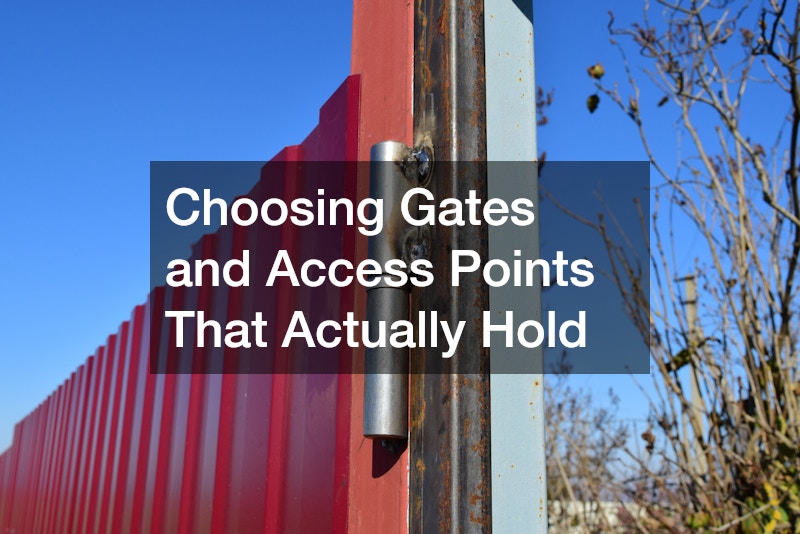
Gates fail more often than fences, usually because of loose hinges, warped frames, or latches that a clever dog learns to nudge open. If your play zone connects to a side yard or garden area, you’ll want gates that are just as secure as the fencing itself. Working with fencing and gate services ensures the hardware is rated for outdoor use and sized correctly for the opening.
Self-closing hinges and slide-bolt latches add an extra layer of security for dogs that test boundaries. It also helps to install gates on solid, level ground so they don’t sag or drag over time. A properly fitted gate should close with a firm click, not require a shove.
Softening the Ground With Safe, Durable Surfaces
Grass alone often can’t survive daily digging, running, and bathroom breaks, which is why many dog owners rethink their ground cover entirely. A mix of surfaces gives dogs variety while protecting your landscaping investment. Rubber mulch, decomposed granite, and artificial turf are popular because they drain well and resist odor buildup better than natural grass.
If you’re considering a firmer surface for part of the yard, bringing in patio installation companies can help you design a paved section that doubles as a shaded lounging area or a clean spot for food and water bowls. Concrete pavers and natural stone stay cooler than asphalt and are easy to hose down. Just be sure any surface you choose has enough traction so dogs don’t slip during play.
- Rubber mulch: soft, low-odor, good for digging zones
- Artificial turf: consistent surface, easy cleanup
- Decomposed granite: drains well, budget-friendly
- Pavers or stone: durable and cool underfoot
- Sand: fun for digging but tracks indoors easily
Adding Shade and Elevated Structures for Comfort
Dogs need a place to retreat from direct sun, especially during summer afternoons when pavement and turf can get uncomfortably hot. A pergola, shade sail, or planted tree canopy gives them somewhere cool to rest between bursts of activity. If you want a more finished look, hiring a deck builder service to add a covered platform gives your dog an elevated lounging spot with a view of the yard.
Raised platforms also help keep dogs off damp ground after rain, which reduces mud tracking into the house. Some owners add built-in benches with removable cushions so the space works for both pets and people. A shaded, elevated area quickly becomes a dog’s favorite spot to survey the yard.
Designing Zones for Digging, Running, and Sniffing
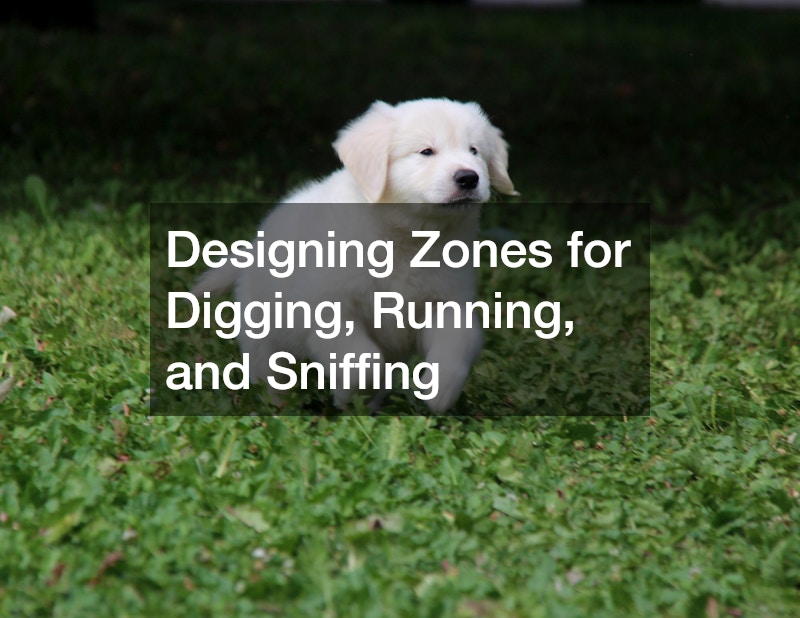
Dogs use yards differently than humans do, so a play zone works best when it’s broken into purpose-built areas rather than one open stretch of grass. A dedicated digging pit filled with sand or loose soil satisfies the urge to dig without destroying your landscaping elsewhere. A longer open stretch supports running and fetch, while a border planted with pet-safe shrubs encourages sniffing and exploration.
Working with a landscape contractor can help translate these zones into an actual layout, balancing plant placement, walkways, and open play space so nothing feels cramped. A good contractor will also know which plants are non-toxic and hardy enough to survive rough play. Thinking in zones rather than one uniform space keeps dogs engaged longer because there’s more to explore.
- Digging pit: sand or soft soil, contained by a border
- Open run: at least 20 feet of clear, level ground
- Sniff garden: pet-safe plants along the fence line
- Water feature or splash pad for hot climates
- Quiet corner with shade for rest breaks
Managing Trees, Roots, and Overhead Hazards
Large trees provide valuable shade, but dead branches, exposed roots, and unstable trunks can turn a play zone into a hazard zone. Before finalizing your layout, look up and check for branches that could drop during storms or heavy wind. If a tree looks unhealthy or is leaning toward the play area, contacting a local tree removal service for an inspection is worth the peace of mind.
Exposed roots can also trip up fast-moving dogs or create uneven digging spots that collect water. Trimming back overhanging limbs opens up more usable shade without the falling debris risk. A cleared, well-maintained tree line makes the whole yard feel safer for unsupervised play.
Keeping Wildlife and Pests Out of the Play Area
Backyard play zones can attract more than just your dog, especially if food, water, or loose soil is present. Raccoons, skunks, and rodents are drawn to digging areas and unsecured trash, and a curious dog investigating a burrow can end up in a dangerous encounter. If you notice tunnels, droppings, or repeated visits from unwanted animals, calling a wildlife removal service is the safest way to handle the situation without direct contact.
Sealing gaps under fences and decks also discourages animals from setting up dens close to where your dog plays. Motion-activated lights and sprinklers can deter nocturnal visitors without harming them. Keeping the play zone clean of food scraps and standing water reduces the odds of attracting pests in the first place.
- Seal gaps under fences, sheds, and decks
- Store trash and pet food in sealed containers
- Use motion-activated deterrents for nighttime visitors
- Check digging pits regularly for burrow entrances
- Remove standing water that attracts insects and animals
Planning for Injuries and Emergency Situations
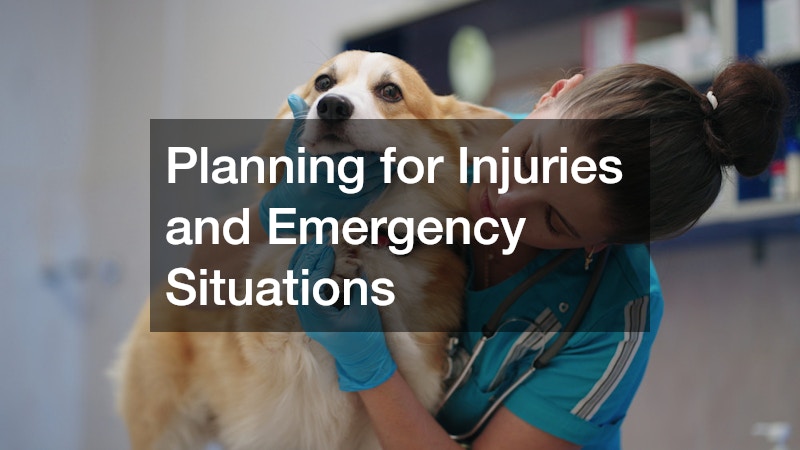
Even a well-designed play zone can’t eliminate every risk, so it helps to know your options before an accident happens. Keep a basic pet first aid kit near the back door stocked with gauze, adhesive tape, antiseptic wipes, tweezers for splinters or thorns, a digital thermometer, and a muzzle for handling an injured dog safely. Check the kit every few months to replace expired ointments or supplies that have run low.
Overheating is one of the most common backyard emergencies, so know the warning signs: heavy panting, drooling, glazed eyes, or wobbly movement. If you spot these symptoms, move your dog to shade, offer small amounts of water, and cool them with damp towels on the paws and belly while you assess whether a vet visit is needed.
It’s also smart to have contact information for local veterinarians saved in your phone, along with the number for the nearest 24-hour emergency animal hospital, so you’re not searching during a stressful moment. Consider posting this list on the fridge or garage wall too, in case a family member or pet sitter is supervising playtime when something goes wrong.
For more serious situations, like a suspected fracture, heatstroke, or a bad reaction to a plant or insect sting, knowing the location and hours of the nearest animal emergency hospital can save critical time. Save the address and phone number in your phone, and keep a printed copy taped inside a kitchen cabinet in case your phone battery dies at the wrong moment. Many emergency clinics operate around the clock, which matters since backyard accidents don’t follow business hours.
It’s also worth calling ahead when a crisis hits, since some emergency hospitals ask you to phone before arriving so they can prepare for your dog’s specific issue. Have a basic first-aid kit on hand too, stocked with gauze, vet-approved antiseptic, a digital thermometer, and a muzzle or soft cloth for restraining a frightened or painful dog. Know your dog’s normal temperature range (roughly 101 to 102.5°F) so you can recognize when something is genuinely off.
Doing this research in advance turns a panicked moment into a clear plan of action. Keep your regular vet’s after-hours advice line noted as well, since some cases can be triaged over the phone before you decide whether an emergency trip is truly necessary.
- Keep a pet first aid kit stocked with gauze, vet wrap, antiseptic wipes, tweezers, and a digital thermometer
- Check kit supplies every few months and restock anything expired or used
- Save contact info for your regular vet clinic, including after-hours instructions
- Know the closest 24-hour emergency vet and keep the address programmed in your phone
- Watch for signs of heatstroke during summer play, like heavy panting, drooling, or wobbly legs
- Set up shaded rest areas and fresh water stations to help prevent overheating
- Learn basic pet CPR in case of collapse or choking, including how to clear a blocked airway
- Consider taking a pet first aid class through the Red Cross or a local vet office for hands-on practice
A backyard play zone that actually gets used comes down to thoughtful planning, not expensive gadgets or oversized purchases. Start small by assessing your space, securing the perimeter, and adding a couple of zones your dog naturally gravitates toward. From there, you can layer in shade, safe surfaces, and a plan for handling wildlife or injuries as they come up. Take the first step this weekend by walking your yard with fresh eyes and mapping out where your dog’s new favorite spot might go.