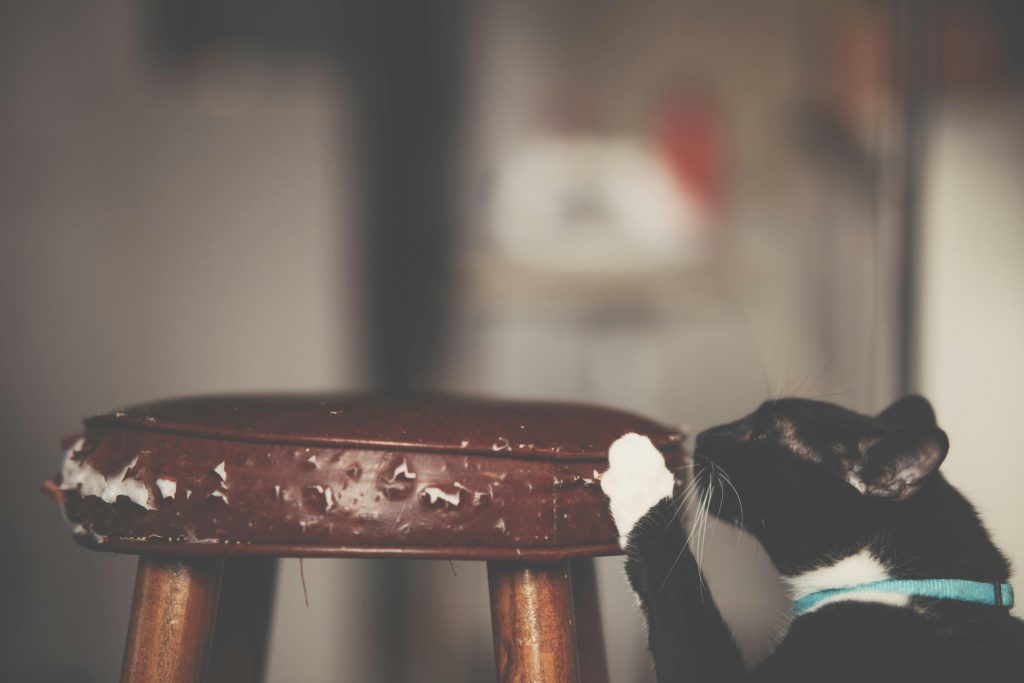

If you are a cat owner, you know the sinking feeling of coming home to find your brand-new sofa looking like a shredded mess. You spent weeks picking out the right fabric and months saving up the money, only to have your feline friend turn the armrest into a personal gym. Your first instinct might be to yell, clap your hands loudly, or reach for a spray bottle. However, in the world of modern pet training, we have learned that punishment doesn’t actually work—and it often makes the problem much worse.
Cats do not scratch your furniture because they are mean, spiteful, or trying to get revenge for that late dinner. Scratching is a deeply ingrained, natural behavior that is vital for a cat’s physical and mental health. If you want to save your home decor, you shouldn’t try to stop the scratching altogether; that would be like trying to stop a human from stretching or grooming. Instead, you need to change where and what they scratch.
In this guide, we will explore how to stop cats from scratching furniture using five gentle, science-based techniques. These methods focus on positive reinforcement and meeting your cat’s natural needs. By the end of this article, you will have a happier cat and a much better-looking living room.
Understanding the “Why” Before the “How”
To solve a problem, you have to understand it. Cats scratch for four main reasons, none of which are related to being “bad” pets.
- Nail Maintenance: Scratching helps cats shed the outer “husk” of their claws. This reveals a sharp, healthy new nail underneath. Without scratching, their nails can become overgrown and uncomfortable.
- Exercise: It is a full-body workout. When a cat scratches a tall post, they are stretching their back, shoulders, and leg muscles. It is their version of a morning yoga session.
- Scent Marking: Cats have scent glands in their paws. When they scratch, they leave behind an invisible “chemical message” that says, “This is my space.” This helps them feel safe and secure in their environment.
- Stress Relief: Much like humans might squeeze a stress ball or go for a run, cats scratch to release pent-up energy, excitement, or anxiety.
If you punish a cat for scratching, you are essentially punishing them for being a cat. This leads to a confused, fearful pet who may start hiding or even develop other behavioral issues like biting or avoiding the litter box. Instead, use these five gentle techniques to redirect their instincts.
1. Provide a “Better” Alternative

The number one reason cats scratch the sofa is that it is the most convenient, sturdy, and well-placed object in the room. If you want to protect your furniture, you have to provide something that feels even better to their claws than your couch does.
Choosing the Right Material
Not all cats like the same surfaces. If your cat is currently scratching a fabric sofa, they might like a sisal-covered post. If they are scratching the carpet, they might prefer a horizontal cardboard scratcher.
- Sisal Rope: The most common material, it is very durable and provides a satisfying “shred” that cats love.
- Cardboard: Very cheap and easy to replace, many cats love the sound and feel of cardboard under their claws.
- Wood: Some cats prefer a more natural feel, similar to a tree trunk in the wild.
The “Sturdiness” Factor
A cat will not use a wobbly post. If the post moves or tips over when they lean into it, they will go back to the heavy, solid sofa every time. Ensure your scratching posts have a wide, heavy base. If you have a larger cat, like a Maine Coon, you will need an extra-heavy “jumbo” post.
Height and Orientation
A cat needs to be able to fully extend their body. Look for posts that are at least 30 to 36 inches tall. Some cats are “vertical scratchers” (they like to reach up), while others are “horizontal scratchers” (they like to stretch out on the floor). Watch your cat’s current habits to see which they prefer.
2. Location is Everything
You might have bought a beautiful scratching post and tucked it away in a hidden corner of the guest room to keep it out of sight. This is a major mistake. Cats scratch where they spend the most time and where they want to mark their territory.
The “Social Hub” Rule
Place scratching posts right next to the furniture they are currently targeting. If they love the arm of the sofa, put a sturdy vertical post right next to that armrest. You are essentially saying, “I know you want to scratch here, so use this instead!”
Nap Time Needs
Cats almost always want to scratch right after they wake up from a nap. Placing a scratcher near their favorite sleeping spot—whether that’s a cat bed or the sunny spot on the rug—is a guaranteed win.
Multiple Stations
In a larger home, one scratching post is not enough. You should have at least one scratching surface in every room where the cat spends a significant amount of time. This ensures that they never have to look far for a legal place to sharpen their claws.
3. Use “Sticky” and “Scented” Deterrents
While you are teaching your cat where to scratch, you can use gentle tools to make the furniture less appealing. These deterrents act as a “silent trainer” while you aren’t in the room.
Double-Sided Tape
Products like “Sticky Paws” are designed specifically for this. Cats have very sensitive paw pads, and they hate the feeling of anything sticky. If they reach out to scratch the sofa and feel something tacky, they will naturally pull away. This creates a “negative association” with the furniture without you having to intervene.
Foil or Plastic
Smooth, slick surfaces are no fun for a cat to scratch. Draping aluminum foil or heavy plastic furniture covers over the “hot spots” on your couch can discourage them temporarily. Once the cat has spent a few weeks using their new scratching post instead, you can usually remove the covers.
Citrus and Menthol Scents
Cats have a sense of smell that is much stronger than ours. They generally dislike the smell of lemons, oranges, and menthol. Using a cat-safe citrus spray on the corners of your furniture can make the area a “no-go” zone. Always test a small area of the fabric first to make sure the spray doesn’t cause staining.
4. The Power of Positive Reinforcement
Punishment tells a cat what not to do, but it doesn’t teach them what they should do. Positive reinforcement—rewarding the behavior you want to see—is the fastest way to change a cat’s habits.
The “Click and Treat” Method
Keep a bag of high-value treats (like freeze-dried chicken or tuna) near the scratching post. Every single time you see your cat use the post, wait for them to finish, then immediately give them a treat and enthusiastic praise. They will quickly learn that “Post = Yummy Snacks.”
Using Catnip and Silvervine
Make the scratching post irresistible. Rub some fresh catnip or silvervine into the sisal rope or cardboard. This makes the post a place of excitement and joy. You can even find catnip sprays that you can apply once a week to keep the interest high.
Interactive Play
Use a feather wand or a laser pointer to lead your cat toward the scratching post during playtime. Encourage them to “catch” the toy while they are standing against the post. This helps them realize that the post is a great place to sink their claws in.
5. Regular Nail Maintenance
Sometimes, destructive scratching is simply a sign that your cat’s nails are too long. When a nail is too long, it can get snagged on fabric or carpet, causing the cat to scratch even more to try and free themselves.
The “Slow and Steady” Approach
If your cat isn’t used to having their paws touched, start slow. Spend a few days just massaging their paws while they are relaxed. Once they are comfortable, try trimming just one nail. Give a treat, and then stop. This builds a positive association with the process.
The Right Tools
Never use human nail clippers; they can crush the cat’s claw and cause pain. Use a dedicated pet trimmer or “guillotine” style clipper. Always stay far away from the “quick”—the pink part inside the nail that contains blood vessels and nerves. If you accidentally cut the quick, it will bleed and hurt, which will make the cat fear future trimmings.
Frequency
Most indoor cats need a nail trim every two to three weeks. If you can hear your cat “clicking” when they walk on hard floors, their nails are definitely too long. Keeping the tips blunt makes their scratching much less damaging to your home.
Why Punishment Fails and Damages Your Relationship
Many well-meaning owners reach for a spray bottle or a loud “NO!” when they see their cat scratching. However, science shows this is ineffective for several reasons:
- Breaks the Bond: Your cat doesn’t understand that the water spray is related to the scratching. They only know that you are suddenly being mean to them. This can lead to your cat becoming afraid of you, which ruins the friendship you have built.
- The “When You Aren’t Looking” Rule: Cats are smart. If you punish them for scratching the sofa, they will simply learn not to do it while you are in the room. As soon as you go to bed or leave for work, they will return to the sofa because the underlying “need” to scratch hasn’t been met.
- Increased Stress: Punishment creates an anxious environment. An anxious cat is more likely to engage in “displacement scratching” to try and calm themselves down. This creates a vicious cycle where punishment leads to more scratching.
Creating a Cat-Friendly Home Environment
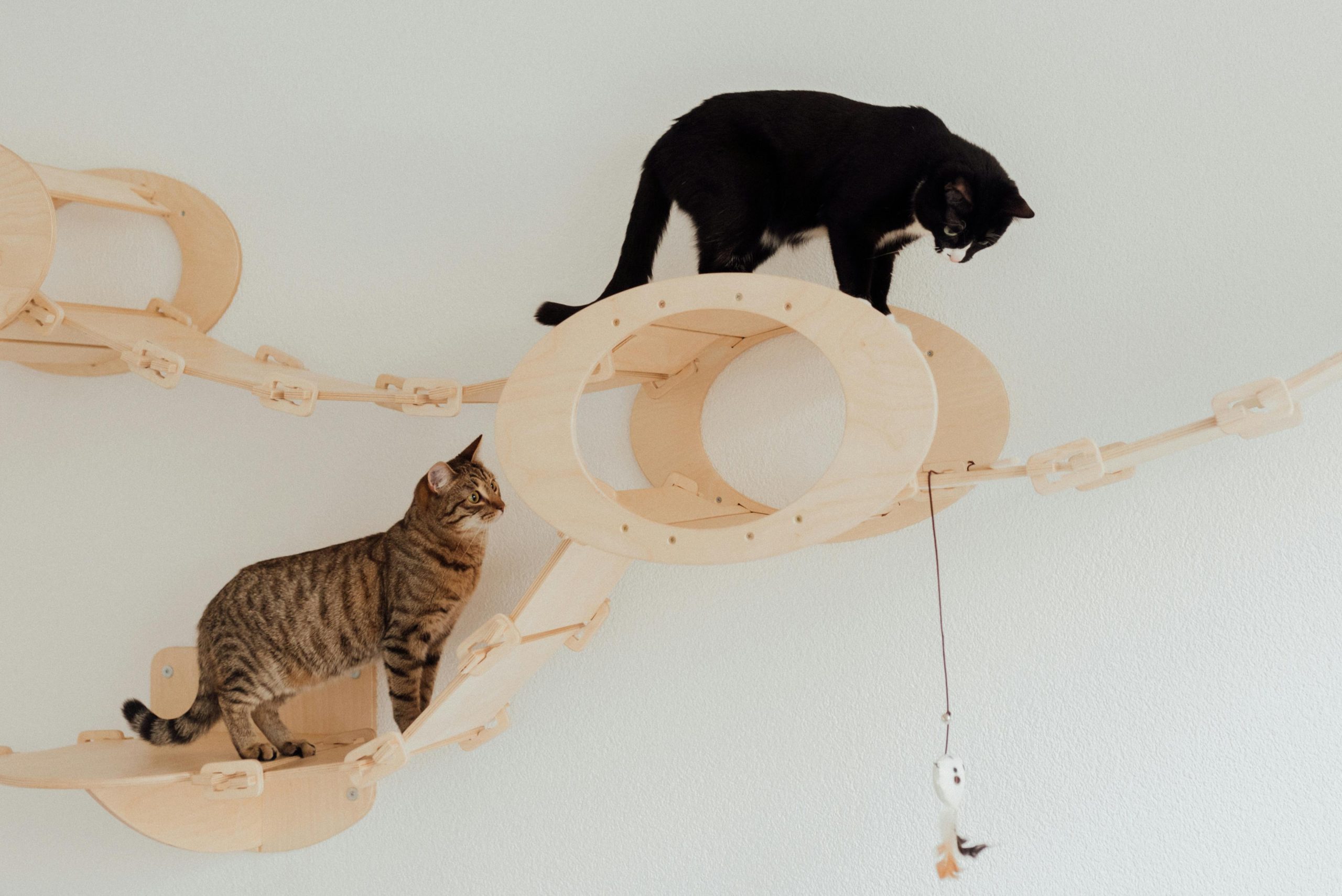
If you want to truly master how to stop cats from scratching furniture, you have to look at your home from the cat’s perspective. A cat who feels they have enough “vertical space” and “safe zones” is much less likely to be destructive.
The “Cat Highway”
In addition to scratching posts, consider adding cat trees or wall shelves. When a cat can climb, they feel more confident. A confident cat is a calm cat. Many cat trees come with built-in scratching surfaces, which kills two birds with one stone.
Boredom Busters
Destructive scratching can sometimes be a sign of boredom. Ensure your cat has plenty of “solo-play” toys, like puzzle feeders or ball tracks. If their mind is busy, they are less likely to look for “fun” in the form of shredding your armchair.
Consistency is Key
Everyone in the household must follow the same rules. If you are using gentle redirection but your roommate is using a spray bottle, the cat will become confused. Make sure everyone knows where the “legal” scratchers are and that they should reward the cat for using them.
Conclusion
Saving your furniture and loving your cat do not have to be two separate things. By using these five gentle techniques—providing alternatives, picking the right locations, using deterrents, focusing on rewards, and keeping up with nail trims—you can create a home where both you and your cat are happy.
It takes a little bit of patience and a few treats, but the results are worth it. You will have a beautiful living room and a pet who trusts you completely. Remember, scratching is just your cat’s way of interacting with their world. When you give them the right tools to do it safely, you aren’t just protecting your sofa—you are improving your cat’s quality of life.